Green Initiatives: How E-Waste Recycling Services Are Protecting Our Planet
E-waste represents a considerable hazard to the environment, as abandoned electronic devices commonly carry harmful materials. These toxic materials have the potential to taint soil and water sources, leading to broader ecological damage. Electronic waste recycling programs offer an effective remedy. They successfully retrieve useful resources while simultaneously minimizing environmental pollution. Understanding how these services operate and their impact on communities is essential. The path to successful electronic waste management prompts vital discussions about personal accountability and communal efforts. What steps can be taken next?
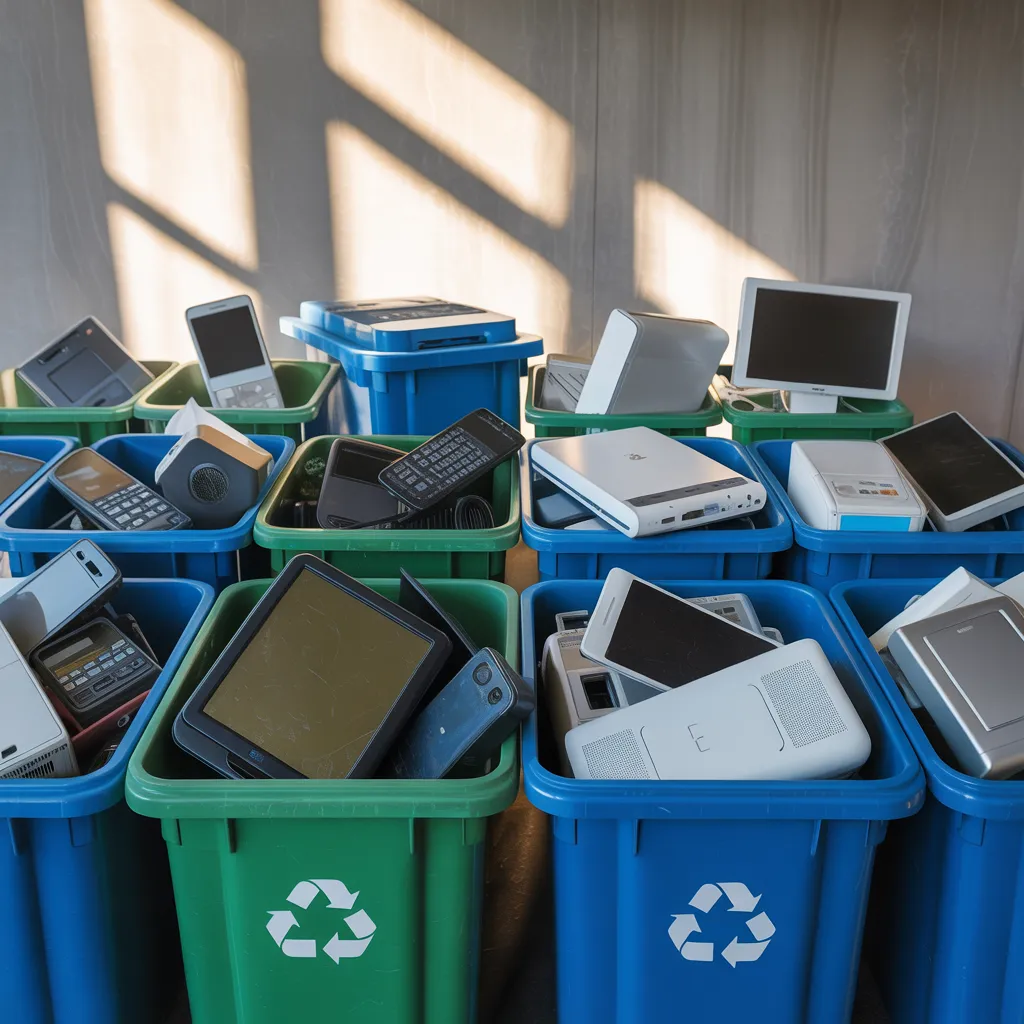
How E-Waste Is Hurting the Planet
Although technology enhances our daily lives, e-waste creates significant environmental threats. Discarded electronic devices, frequently composed of hazardous materials such as mercury, lead, and cadmium, may release harmful substances into soil and groundwater, posing risks to ecosystems and human health. The rapid pace of technological advancement contributes to greater consumer replacement of electronic devices, worsening the buildup of e-waste.
Landfills, already overwhelmed with refuse, find it difficult to handle the increasing amounts of discarded devices. Incineration, a common waste management technique, emits dangerous pollutants into the environment, degrading atmospheric conditions. Furthermore, inadequate recycling methods can result in the shipment of electronic waste to underdeveloped nations, where workers may break down equipment without proper protective measures, putting themselves at risk of exposure to hazardous materials. This ongoing cycle of carelessness and inadequate management emphasizes the pressing necessity for responsible recycling initiatives that can lessen the harmful consequences of e-waste on our world.
What Is E-Waste and Its Importance?
E-waste, also referred to as electronic waste, comprises obsolete electronic products such as smartphones, computers, and televisions that have reached the end of their useful life. This rapidly expanding waste category is noteworthy because of its swift buildup, propelled by advances in technology and evolving consumer behaviors. As more devices become obsolete, the environmental impact intensifies, with toxic materials such as lead, mercury, and cadmium presenting serious hazards to the environment and human well-being.
The importance of addressing e-waste lies not only in mitigating these hazards but also in recognizing the valuable materials it contains. Precious metals and rare earth elements can be recovered and reused, reducing the need for mining and conserving natural resources. Through a deeper awareness of e-waste and its consequences, both individuals and organizations can make well-informed choices regarding disposal and recycling, thereby supporting a more sustainable future. Proper management of e-waste is essential for fostering a circular economy and promoting environmental stewardship.
How the E-Waste Recycling Process Works
Recycling e-waste involves a structured approach aimed at reclaiming useful resources while limiting ecological damage. To begin, discarded electronics are retrieved and sent to specialized recycling facilities. Once there, the devices undergo thorough sorting to separate hazardous components from recyclable materials.
Subsequently, employees break down the items, separating plastics, metals, and glass. This stage is crucial, as it enables the extraction of precious metals like copper, gold, and silver, which are repurposed in new electronics.
Afterward, the separated materials are processed using cutting-edge techniques, such as shredding and chemical treatments, to purify them for further use.
In the final step, the remaining hazardous waste is handled with responsibility, adhering to environmental regulations. This systematic method not only saves important resources but also reduces the dangers connected to improper e-waste disposal, securing a more eco-conscious future for the consumption of electronics.
The Benefits of E-Waste Recycling for You and Your Community
Though many people are unaware, the benefits of e-waste recycling extend beyond personal convenience to positively impact entire communities. By responsibly disposing of electronic waste, individuals play a role in creating a healthier environment, reducing hazardous materials that can contaminate soil and water. This responsible method actively safeguards local ecosystems and supports public health.
Additionally, the recycling of e-waste encourages job creation within communities. Community recycling operations commonly require workers for diverse activities, including collection and processing, thus generating valuable job opportunities within the community. This not only enhances the community economy but also encourages community engagement in sustainable practices.
In addition, understanding Explore now of e-waste recycling has the potential to generate community outreach programs, encouraging residents to embrace sustainable practices. By enrolling in e-waste recycling programs, individuals nurture a culture of sustainability, inspiring others to follow suit. Ultimately, the combined impact of these actions can result in a more strong and environmentally aware community.
A Guide to Selecting an E-Waste Recycling Service
Picking the best electronic waste recycling provider is essential for guaranteeing that e-waste is handled responsibly and sustainably. First, people should verify the service's accreditations, such as R2 and e-Stewards certifications, which signify compliance with industry standards for responsible recycling methods. Additionally, it is advisable to examine the company's standing by checking reviews and obtaining recommendations from trusted sources.
Next, openness in the recycling process is crucial. A reliable provider should provide clear information about the manner in which e-waste is managed and what happens to the materials. Furthermore, considering the scope of services provided can prove valuable; various firms may supply retrieval services or extend benefits for recycling.
Furthermore, understanding local guidelines related to e-waste disposal can additionally influence the choice of disposal method. By prioritizing these factors, residents can actively participate in efficient electronic waste handling while supporting sustainable environmental efforts.
Ways You Can Participate in E-Waste Recycling?
Engaging in e-waste recycling often starts at the local level, where local recycling facilities frequently offer essential services for safe disposal. Moreover, joining community awareness campaigns can amplify efforts to inform others regarding the importance of ethical e-waste practices. These initiatives not only promote sustainability but also cultivate a collective sense of accountability for the environment.
Area Recycling Stations
A wide range of community recycling facilities perform an important function in electronic waste recycling, giving communities practical solutions to dispose of electronic waste responsibly. These stations receive a variety of electronic devices, including old computers, smartphones, and televisions, guaranteeing that dangerous substances are processed safely. Most centers are equipped with knowledgeable personnel who are able to assist individuals with correct disposal techniques, highlighting the value of recycling rather than landfilling. Additionally, various hubs coordinate drop-off events or designated collection days, enabling residents to engage without difficulty. By engaging with these local facilities, residents support a circular economy, decreasing environmental damage and advancing sustainable approaches. Partnering with these facilities empowers communities to take action against e-waste pollution effectively.
Community Education Campaigns
Nearby organizations, schools, and enterprises can collaborate to host events that promote e-waste collection drives. Volunteers can play a pivotal role in raising awareness, sharing informational resources, and connecting with local residents. Through these collective efforts, local inhabitants gain greater awareness and encouragement to properly recycle their e-waste, thus playing a meaningful role in creating a more environmentally responsible future.
Common Questions and Answers
What Kinds of Electronics Can Be Recycled?
Many different electronics may be recycled, including laptops, televisions, smartphones, printers, computers, and gaming consoles. Additionally, ancillary devices such as keyboards, mice, and batteries are well-suited for recycling, contributing to efforts to conserve the environment.
Do Any Costs Come With E-Waste Recycling?
Yes, e-waste disposal may involve fees, based on the facility. Certain providers impose charges for gathering or treatment, while some providers offer free services, often subsidized by the sale of reclaimed components.
How Can Businesses Benefit From E-Waste Recycling?
Organizations can gain from e-waste recycling by minimizing disposal costs, improving their green reputation, complying with regulations, reclaiming useful materials, and creating potential earnings via resale, thereby fostering a more environmentally responsible business approach.
What Happens to Data on Recycled Devices?
Details on refurbished equipment is frequently completely removed or obliterated during processing. This ensures confidential data stays protected, blocking unwanted intrusion while enabling materials to be reused securely and sustainably in new products.
Can I Recycle Broken Electronics?
Indeed, non-functioning electronics may be recycled. Several recycling centers take in broken devices, providing proper disposal and retrieval of useful materials. Doing so helps lower the environmental footprint while supporting responsible recycling practices to address electronic waste effectively.